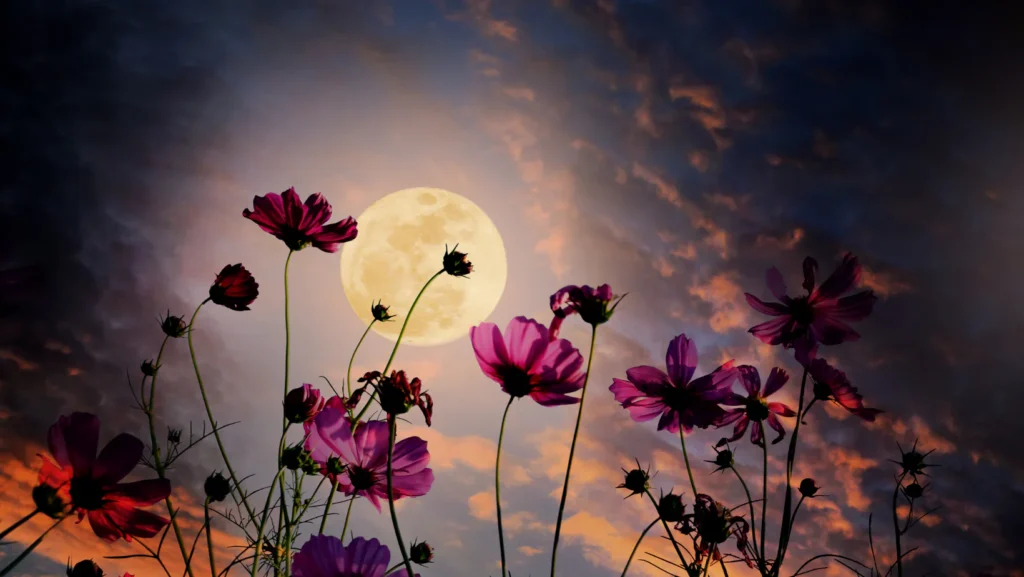
In the world of ornamental horticulture, few plants evoke the same sense of wonder and mystique as the moon flowers. Known botanically as Ipomoea alba, these captivating climbers are a part of the morning glory family but distinguish themselves by their nocturnal habits. Often referred to as tropical white morning glory, moonflower, or moonvine, this species is celebrated for its luminous white blooms that open in the evening and stay open through the night.
Moon flowers are more than just beautiful; they are symbols of romance, mystery, and the quiet magic of nighttime. In this article, we will explore the fascinating history, botanical characteristics, cultivation tips, and symbolic significance of moon flowers. Whether you’re a seasoned gardener or a curious enthusiast, this guide will illuminate everything you need to know about these ethereal plants.
What Are Moon Flowers?
Moon flowers, scientifically known as Ipomoea alba, are a species of night-blooming morning glory native to tropical and subtropical regions of the Americas. Unlike the common morning glory (Ipomoea purpurea), which blooms in the morning sun, moon flowers unfurl their large, fragrant, trumpet-shaped blooms at dusk.
The flowers are typically 5–6 inches in diameter and emit a sweet fragrance that attracts nocturnal pollinators like moths, especially the hawk moth. Their heart-shaped leaves and rapid vining growth make them ideal for covering fences, trellises, and arbors.
These plants are often grown as annuals in temperate climates, although they are technically perennial in frost-free zones. Moon flowers grow vigorously, often reaching heights of 10 to 20 feet in a single growing season when given proper support.
Botanical Background: Ipomoea alba
Ipomoea alba belongs to the Convolvulaceae family, which includes hundreds of species known for their twining stems and funnel-shaped flowers. The genus Ipomoea includes both ornamental and edible plants, with the sweet potato (Ipomoea batatas) being one of the most well-known examples.
The name Ipomoea is derived from the Greek words “ips,” meaning worm, and “homoios,” meaning resembling—likely a reference to the twining habit of the vines. Alba means white, referring to the color of the moon flowers’ blooms.
Native to regions of Central and South America, Ipomoea alba has spread to various parts of the world due to its ornamental appeal. Its adaptability and striking appearance have made it a staple in many nighttime gardens.
Cultivation and Care of Moon Flowers
1. Growing Conditions
Moon flowers thrive in full sun to partial shade and prefer well-draining soil. Although they bloom at night, the plants need ample sunlight during the day to produce energy for flowering.
Soil: Slightly acidic to neutral soil (pH 6.0–7.0) with good drainage is ideal. Loamy soil enriched with compost provides the best environment for root development.
Watering: Regular watering is essential, especially during dry spells. However, overwatering should be avoided to prevent root rot.
Temperature: Being tropical plants, moon flowers prefer warm temperatures and are sensitive to frost. In cooler regions, they should be started indoors and transplanted after the last frost date.
2. Planting Moon Flowers
Moon flowers can be grown from seeds or transplants. To improve germination, it’s recommended to nick the hard seed coat with a file and soak the seeds in warm water for 24 hours before planting.
Spacing: Plant seeds about 6 inches apart and thin seedlings to 12 inches apart once they are established. Provide a sturdy trellis or support system as these vines grow rapidly.
3. Maintenance Tips
-
Fertilization: Use a balanced, all-purpose fertilizer to promote healthy growth. Over-fertilization with nitrogen can lead to lush foliage at the expense of blooms.
-
Pruning: Regular pruning helps control growth and encourages more blooms. Pinching off the tips can promote bushier plants.
-
Pests and Diseases: Moon flowers are generally pest-resistant but can be affected by aphids, spider mites, and fungal diseases in humid conditions.
Moon Flowers in Culture and Symbolism
Moon flowers have long been associated with moonlight, femininity, and mystery. In many cultures, they are seen as symbols of love that transcends time—blooming when the world sleeps and fading by dawn, much like fleeting romantic encounters.
Because they open at night, moon flowers are often planted in “moon gardens”—specially designed gardens that are meant to be enjoyed under moonlight. These gardens typically feature white or light-colored flowers, reflective surfaces, and fragrant plants to create a serene nighttime sanctuary.
The fleeting nature of moon flowers’ blossoms has also inspired poets and artists. Their beauty, visible only for a short time, is often used as a metaphor for transient moments of beauty in life.
Why Gardeners Love Moon Flowers
Moon flowers offer several unique qualities that make them a favorite among gardeners:
-
Nighttime Blooms: Their blossoms provide an unexpected delight in the evening garden.
-
Fragrance: The sweet, vanilla-like scent adds a sensory dimension to outdoor spaces.
-
Pollinator Attraction: Moon flowers attract moths and other nocturnal pollinators, enhancing biodiversity.
-
Fast Growth: Ideal for quick coverage of fences, arches, and trellises.
-
Aesthetic Appeal: The large, snow-white blooms glow in the dark, creating a dramatic visual impact.
Ideal Uses for Moon Flowers
Moon flowers can be used in a variety of garden settings:
-
Arbors and Pergolas: Their climbing nature makes them perfect for training over arches.
-
Fences and Screens: They provide a beautiful and fragrant privacy screen.
-
Containers: In smaller spaces, moon flowers can be grown in large containers with trellises.
-
Mixed Flower Beds: Pairing moon flowers with day-blooming species extends the visual interest of your garden from sunrise to sunset and beyond.
Propagation of Moon Flowers
Moon flowers are most commonly propagated by seed. Seeds can be collected from mature pods at the end of the growing season. Dry and store them in a cool, dark place for the next planting cycle.
For gardeners in tropical or subtropical regions, cuttings can also be used. Take 6-inch cuttings from healthy vines, remove the lower leaves, and place them in water or moist soil until roots develop.
Environmental Benefits of Moon Flowers
Aside from their beauty, moon flowers offer ecological benefits:
-
Pollinator Support: They help sustain nocturnal pollinators, which are crucial for biodiversity.
-
Erosion Control: Their rapid growth and dense foliage help prevent soil erosion.
-
Air Purification: Like many green plants, moon flowers contribute to cleaner air through photosynthesis.
Common Challenges and Solutions
Despite their hardiness, moon flowers may face some growing challenges:
-
Poor Blooming: Often caused by too much nitrogen or not enough sunlight. Adjust fertilizer and ensure full sun exposure.
-
Yellowing Leaves: This can be a sign of overwatering or poor drainage.
-
Fungal Issues: Ensure good air circulation and avoid overhead watering to prevent mildew or root rot.
FAQs About Moon Flowers
1. Are moon flowers poisonous?
Yes, all parts of the moon flowers (Ipomoea alba) plant contain alkaloids that are toxic if ingested. They should be kept away from pets and small children.
2. How long do moon flowers bloom?
Each individual bloom lasts one night, typically opening around dusk and closing by dawn. However, the plant itself can continue producing flowers throughout the summer and early fall.
3. Can I grow moon flowers indoors?
It is possible to start moon flowers indoors, but due to their size and climbing nature, they are better suited for outdoor cultivation unless you have a large space with strong light and a trellis.
4. When should I plant moon flower seeds?
In temperate climates, start seeds indoors 4–6 weeks before the last frost date. In warmer regions, they can be directly sown outdoors once the danger of frost has passed.
5. What other plants pair well with moon flowers?
Moon flowers pair beautifully with other climbing vines like clematis or sweet peas. For a stunning contrast, consider pairing them with dark-colored flowers or foliage plants like purple fountain grass or deep red coleus.
Final Thoughts
Moon flowers are more than just plants—they are an experience. Watching their blossoms slowly unfurl at twilight is nothing short of magical. Whether you are drawn to their aesthetic allure, their intoxicating fragrance, or their symbolic meaning, incorporating moon flowers into your garden can transform your space into a serene and enchanting retreat.
From novice gardeners to seasoned green thumbs, anyone can enjoy the beauty and mystery of Ipomoea alba. With the right care and conditions, moon flowers will reward you with night after night of glowing white blossoms that light up your garden and your imagination.