In today’s dynamic work environment, businesses need effective ways to monitor productivity, ensure compliance, and optimize workforce management. One of the most efficient tools to achieve these goals is time tracking software. By enabling online time tracking for employees, organizations can streamline work-hour management, improve accountability, and support remote and hybrid teams.
This article explores the importance of employment tracking, its benefits, and key features, as well as ethical considerations and future trends in time tracking technology.
What is Time Tracking Software?
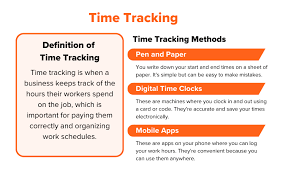
Time tracking software is a digital solution designed to monitor employee work hours, task completion, and overall productivity. Businesses rely on these tools to enhance operational efficiency, reduce manual timekeeping errors, and ensure proper workflow management. Whether used in an office setting or remotely, time tracking software provides transparency, accountability, and real-time insights into employee performance.
Some time tracking solutions also incorporate project management features, allowing businesses to track how much time is spent on specific tasks or clients. This is particularly useful for service-based industries, freelancers, and agencies that bill by the hour. Additionally, companies with distributed teams use these tools to maintain consistency in scheduling and ensure that employees are working the required hours, regardless of location.
Key Features of Time Tracking Software
A high-quality employee computer monitoring software should include essential features that help businesses improve decision-making and workforce management.
Activity History
This feature provides a detailed log of employee actions throughout the workday, enabling managers to review productivity patterns and identify areas for improvement. By tracking activity history, employers can ensure that work is progressing efficiently and identify potential bottlenecks.
Time Tracking
The core function of time tracking software is to automatically monitor employees’ working hours. This ensures precise timekeeping, prevents discrepancies in payroll, and helps maintain fair labor practices. Automated time tracking eliminates the need for manual time logs, reducing errors and ensuring accuracy.
Productivity Analysis
Advanced employment tracking tools offer built-in analytics that assess work efficiency. These insights allow businesses to implement strategies for improving performance and optimizing team workflows. Managers can view productivity trends over time, analyze peak performance hours, and identify employees who may need additional support or training.
Website & App Usage Analysis
Monitoring the websites and applications employees use during work hours helps businesses understand work habits and ensure company resources are utilized efficiently. This feature is particularly valuable for identifying distractions and ensuring that employees are focused on work-related tasks.
Security & Compliance
With increasing data privacy concerns, employee computer monitoring software must align with regulatory standards, ensuring that tracking is conducted ethically and legally. Ensuring compliance with labor laws and data protection regulations is crucial to maintaining employee trust and avoiding legal risks.
Benefits of Using Time Tracking Software
Implementing a reliable time tracking software solution provides multiple benefits, including higher productivity, cost savings, and improved remote work management.
Boosts Productivity
By tracking work hours and assessing task completion, businesses can ensure employees remain focused and efficient. Real-time monitoring helps managers identify unproductive behaviors and offer constructive feedback. Employees also become more conscious of how they spend their time, leading to better self-discipline and time management.
Reduces Operational Costs
Accurate time tracking minimizes financial losses caused by excessive overtime, payroll discrepancies, and inefficient workflow management. By optimizing resource allocation, companies can save money while maximizing output. In industries where billable hours matter, time tracking software ensures accurate client invoicing and prevents revenue loss.
Enhances Remote Work Management
As remote and hybrid work models become more prevalent, online time tracking for employees provides visibility into work activities without micromanagement. Employees remain accountable while maintaining flexibility in their work schedules. Companies can track project progress, monitor deadlines, and ensure that remote workers are contributing effectively.
Supports Fair Compensation
By recording actual work hours, time tracking software ensures that employees are paid fairly for their time. It also helps businesses comply with labor laws regarding overtime and breaks, reducing the risk of disputes.
Compliance and Privacy Considerations
While employee computer monitoring software offers valuable insights, businesses must implement it ethically and legally.
Ethical Implementation
Transparency is crucial in employment tracking. Employers should clearly communicate monitoring policies and obtain employee consent before implementing tracking tools. It is essential to inform employees about the aspects of their work being monitored and the reasons behind it.
Legal Compliance
Different regions have varying labor laws regarding employee monitoring. Companies must ensure that their time tracking software complies with data privacy regulations such as GDPR and CCPA to protect employee rights. Failing to comply with these regulations can result in fines and damage to a company’s reputation.
Use Cases Across Industries
Time tracking software is widely used across multiple industries to improve workforce efficiency and accountability.
Remote Work Management
Companies with remote teams utilize online time tracking for employees to ensure consistency in work schedules and task completion without excessive oversight. This is especially useful in IT, customer support, and creative industries.
Project Tracking
Agencies, freelancers, and businesses working on billable projects rely on time tracking tools to maintain accurate invoicing, improve resource allocation, and ensure project timelines are met. Architects, consultants, and legal firms also benefit from detailed time tracking to justify their billing hours.
Time Optimization
Industries such as healthcare, manufacturing, and customer service use time tracking software to analyze workflow patterns, minimize downtime, and maximize operational efficiency. By identifying inefficiencies, businesses can improve scheduling and reduce wasted labor hours.
Choosing the Right Time Tracking Software
When selecting a time tracking software, businesses should consider several factors to ensure it meets their specific needs.
Scalability
A good time tracking solution should be able to accommodate business growth and evolving workforce requirements. Small businesses and large enterprises alike should seek software that can scale as their teams expand.
Integrations
Seamless integration with payroll, project management, and communication tools enhances the overall efficiency of the software. Businesses should look for solutions that integrate with tools like QuickBooks, Slack, Asana, and Trello.
User-Friendliness
An intuitive and easy-to-use interface ensures smooth adoption by employees, reducing resistance to new technology. The software should be easy to navigate, require minimal training, and provide clear reports.
Future Trends in Time Tracking Software
As businesses adapt to changing work environments, time tracking software continues to evolve with technological advancements.
AI and Automation
Artificial intelligence is enhancing time tracking by automating repetitive tasks, providing smarter insights, and improving tracking accuracy. AI can also detect patterns and suggest optimizations for better workforce efficiency.
Cloud-Based Solutions
Cloud-based online time tracking for employees allows businesses to access real-time data from anywhere, making it ideal for remote and global teams. With cloud-based solutions, employees can log their work hours from different locations without hassle.
Enhanced Security & Compliance
As data privacy concerns grow, employee computer monitoring software providers are prioritizing security measures to protect sensitive employee information. Encryption, secure data storage, and compliance with legal frameworks are becoming standard features.
Conclusion
Time tracking software is an essential tool for businesses looking to enhance productivity, ensure compliance, and optimize workforce management. By adopting employment tracking solutions responsibly, organizations can maintain efficiency while respecting employee privacy. Whether managing remote teams or overseeing in-office workflows, implementing the right online time tracking for employees can significantly improve business success.
Choosing the best time tracking software requires careful consideration of features, integrations, compliance, and ease of use. As technology advances, businesses can expect even more innovative solutions that streamline workforce management and improve overall efficiency.