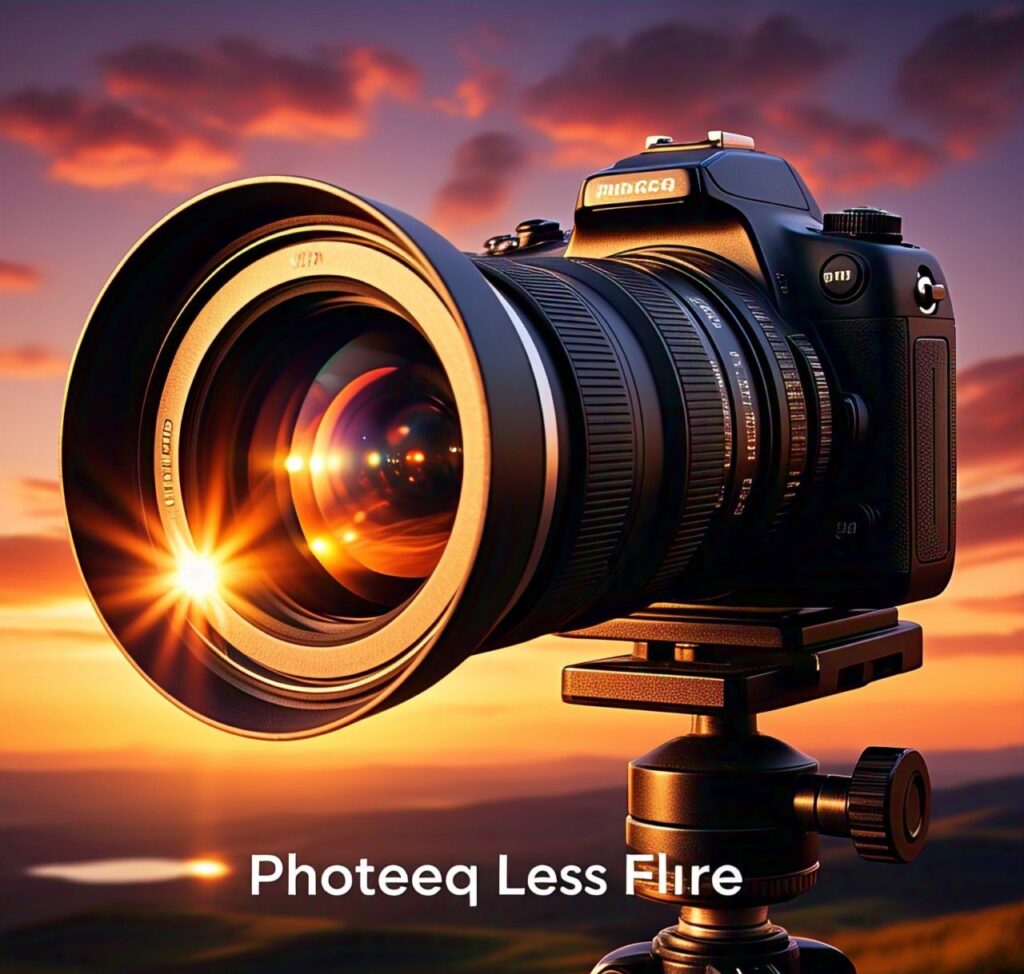
Lens flare is a phenomenon that every photographer, whether amateur or professional, encounters at some point. It occurs when light scatters within a lens system, often creating an artifact in the photo. While some photographers use lens flare creatively to add a dramatic effect to their images, others find it undesirable. In this article, we will delve into the intricacies of Photeeq lens flare, exploring how it occurs, the factors influencing it, and how to either harness or mitigate its effects. We will also address frequently asked questions to provide a well-rounded understanding of this fascinating topic.
What is Lens Flare?
Lens flare refers to the scattering of light within a lens system, typically in response to a bright light source such as the sun or artificial lighting. This scattering can produce various effects, ranging from subtle veiling to more pronounced ghosting or red dot artifacts. The Photeeq lens flare is a specific type of lens flare that has gained attention for its unique characteristics and how it can be manipulated to enhance photographic compositions.
How Lens Flare Occurs
Lens flare can manifest in several ways, each with its own distinct characteristics:
- Veiling Flare: This type of flare reduces the contrast across the image, creating a hazy or washed-out appearance. It occurs when light is scattered across the lens, often due to a bright light source just outside the frame.
- Ghosting Flare: Ghosting flare appears as distinct shapes or patterns, often resembling the aperture of the lens. These “ghosts” are caused by internal reflections within the lens elements.
- Red Dot or Sensor Flare: This type of flare is more common in digital cameras and appears as a red dot or streak in the image. It is caused by light reflecting off the camera’s sensor and back onto the lens.
Factors Influencing Lens Flare
Several factors can influence the occurrence and intensity of lens flare:
- Lens Quality: Higher-quality lenses with advanced coatings are less prone to flare.
- Aperture Setting: Smaller apertures (higher f-numbers) can increase the likelihood of flare.
- Light Source Position: The angle and intensity of the light source relative to the lens play a significant role.
- Lens Elements: The number and arrangement of lens elements can affect how light is scattered.
- Filters and Accessories: The use of filters or lens hoods can either mitigate or exacerbate flare.
How to Get Lens Flare
If you’re looking to incorporate Photeeq lens flare into your photography, here are some techniques to consider:
- Shoot Facing Direct Sunlight: Positioning your camera so that the sun is directly in front of the lens can create dramatic flare effects.
- Place Your Object in Bright Light: Positioning your subject in front of a bright light source can produce interesting flare patterns.
- Make Starburst Shoots: Using a small aperture (high f-number) can turn point light sources into starbursts, adding a creative element to your photos.
- Regulate the Aperture Setting of the Camera: Experimenting with different aperture settings can help you achieve the desired flare effect.
- Conduct Night Experiments: Shooting at night with artificial light sources can produce unique flare patterns.
- Look Around for Options: Sometimes, simply changing your angle or position can reveal new opportunities for capturing flare.
- Use of Lenses and Filters: Certain lenses and filters are designed to enhance or reduce flare, giving you more control over the final image.
How to Reduce Lens Flare in a Camera
While lens flare can be a creative tool, there are times when you may want to minimize or eliminate it. Here are some strategies:
- Using a Lens Hood: A lens hood can block stray light from entering the lens, reducing the likelihood of flare.
- Quality Matters: Investing in high-quality lenses with anti-reflective coatings can significantly reduce flare.
- Blocking the Light with Your Hands: Sometimes, simply using your hand to shield the lens from direct light can prevent flare.
- Avoid Zoom Lenses: Zoom lenses are more prone to flare due to their complex internal structures.
- Framing: Adjusting your composition to avoid bright light sources in the frame can help reduce flare.
- Blocking the Sunlight: Positioning yourself so that an object blocks the direct sunlight can prevent flare.
- Adjusting Your Angles: Changing your shooting angle can often eliminate unwanted flare.
- Remove Dust and Fingerprints Regularly: Keeping your lens clean can reduce the chances of flare caused by smudges or dust.
- Check Your Gear: Regularly inspecting your equipment for any issues can help prevent flare.
- Professional Editing: Post-processing software can be used to remove or reduce flare in images.
Removing Lens Flare from Images
If you’ve captured an image with unwanted lens flare, there are several ways to remove or reduce it during post-processing:
- Clone Stamp Tool: This tool allows you to clone a clean area of the image over the flare.
- Healing Brush Tool: Similar to the clone stamp tool, but with more advanced algorithms for blending.
- Lens Flare Filters: Some editing software includes filters specifically designed to remove lens flare.
- Manual Adjustments: Adjusting the brightness, contrast, and saturation can sometimes minimize the appearance of flare.
How to Avoid Lens Flare
Preventing lens flare is often easier than removing it in post-processing. Here are some tips:
- Using a Lens Hood: As mentioned earlier, a lens hood is one of the most effective ways to prevent flare.
- Quality Matters: High-quality lenses with advanced coatings are less prone to flare.
- Blocking the Light with Your Hands: A simple yet effective technique.
- Avoid Zoom Lenses: Stick to prime lenses if flare is a concern.
- Framing: Carefully compose your shot to avoid bright light sources.
- Blocking the Sunlight: Use natural or artificial objects to block direct sunlight.
- Adjusting Your Angles: Sometimes, a slight change in angle can make all the difference.
- Remove Dust and Fingerprints Regularly: Keep your lens clean to avoid flare caused by smudges.
- Check Your Gear: Regularly inspect your equipment for any issues that could contribute to flare.
- Professional Editing: If all else fails, professional editing can help remove unwanted flare.
Bottom Line
Lens flare is a complex phenomenon that can either enhance or detract from your photographs. Understanding how it occurs and the factors that influence it can help you make informed decisions about when and how to use it. Whether you’re looking to create dramatic effects with Photeeq lens flare or minimize its impact, the techniques and tips outlined in this article will help you achieve your desired results.
FAQs
Q1: What is Photeeq lens flare?
A1: Photeeq lens flare refers to a specific type of lens flare that is characterized by its unique scattering patterns and effects. It can be used creatively to enhance photographic compositions.
Q2: How can I create lens flare in my photos?
A2: You can create lens flare by shooting facing direct sunlight, placing your subject in bright light, using a small aperture to create starbursts, and experimenting with different lenses and filters.
Q3: How can I reduce or eliminate lens flare?
A3: To reduce or eliminate lens flare, use a lens hood, invest in high-quality lenses, block the light with your hand, avoid zoom lenses, and adjust your framing and angles. Regular cleaning of your lens and professional editing can also help.
Q4: Can lens flare be removed in post-processing?
A4: Yes, lens flare can often be removed or reduced in post-processing using tools like the clone stamp, healing brush, and lens flare filters. Manual adjustments to brightness, contrast, and saturation can also help.
Q5: Is lens flare always undesirable?
A5: No, lens flare is not always undesirable. Many photographers use it creatively to add drama and interest to their images. The key is to understand when and how to use it effectively.
By understanding the nuances of Photeeq lens flare, you can take control of this phenomenon and use it to your advantage, whether you’re aiming to create stunning visual effects or avoid unwanted artifacts in your photos.